


Volkswagen Tiguan Snow Mode: Is the Tiguan Good in Snow?
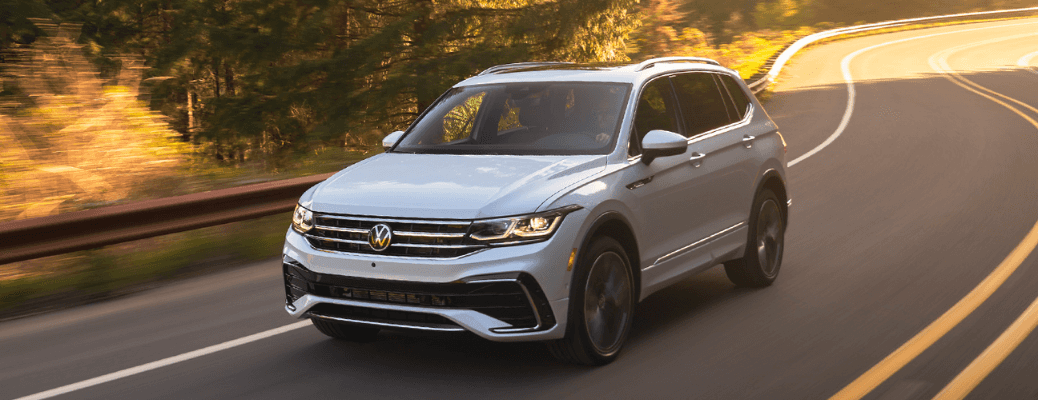
The Volkswagen Tiguan can be a strong choice for winter driving, especially when equipped with available 4MOTION® all-wheel drive. On properly equipped Tiguan models, Snow Mode helps manage power delivery for snowy or slippery roads, while 4MOTION helps distribute power between the front and rear wheels to support traction.
For drivers around Elgin and the northwest suburbs, those features are worth understanding well before the first forecast calls for snow. Snow Mode, 4MOTION, and the right tires can all play a role in how confident an SUV feels once Chicagoland roads turn cold, wet, or slick.
Quick Answer: The Volkswagen Tiguan can be good in snow, especially when equipped with available 4MOTION® all-wheel drive. On properly equipped models, Snow Mode helps smooth out power delivery on slick roads by adjusting throttle response and transmission behavior to help reduce wheelspin.
Table of Contents
- Are Volkswagen Tiguans Good in the Snow?
- What Is VW Tiguan Snow Mode?
- What Does VW Snow Mode Do?
- When Should You Use Snow Mode on a Tiguan?
- Does Tiguan Snow Mode Require 4MOTION?
- Is Snow Mode the Same as 4MOTION?
- Tiguan FWD vs. 4MOTION in Snow
- Do You Need Winter Tires With a Volkswagen Tiguan?
- What Features Help the Volkswagen Tiguan Drive in Snow?
- Shop or Service a Volkswagen Tiguan in Elgin, IL
- Volkswagen Tiguan Snow Mode FAQs
Are Volkswagen Tiguans Good in the Snow?
Yes, Volkswagen Tiguans can be good in the snow, especially when equipped with available 4MOTION® all-wheel drive and proper tires. The Tiguan’s SUV design, available all-wheel-drive system, and winter-focused drive mode can help provide added confidence when roads become slick.
The most important factor is equipment. A Tiguan with available 4MOTION has a traction advantage over a front-wheel-drive model because it can help send power where it is needed. However, tires still matter. Even a capable all-wheel-drive SUV depends on quality tires with enough tread depth to grip snow, slush, and cold pavement.
What Is VW Tiguan Snow Mode?
VW Tiguan Snow Mode is a winter-focused drive mode available on properly equipped Tiguan models with 4MOTION® all-wheel drive. It is designed to help the vehicle respond more smoothly on snowy or slippery roads.
Instead of sending power aggressively to the wheels, Snow Mode helps adjust vehicle behavior so acceleration feels more controlled. That can be especially helpful when pulling away from a stop, driving through light snow, or navigating slick neighborhood streets.
What Does VW Snow Mode Do?
VW Snow Mode helps reduce wheelspin by adjusting how the vehicle delivers power in slippery conditions. On properly equipped Tiguan models, Snow Mode can help manage throttle response and transmission behavior so power is applied more gradually.
In practical terms, the Tiguan may upshift earlier and keep engine speed lower to help prevent too much power from reaching the wheels too quickly. The goal is smoother acceleration and improved control when road surfaces are covered with snow, slush, or ice.
| Feature | How It Helps in Snow |
|---|---|
| Snow Mode | Helps smooth out power delivery to reduce wheelspin on slick roads. |
| 4MOTION® All-Wheel Drive | Helps distribute power between the front and rear wheels when traction changes. |
| Earlier Upshifts | Can help keep engine speed lower so power is not delivered too suddenly. |
| Driver-Assistance Features | Available features may help support awareness and confidence in changing conditions. |
| Heated Comfort Features | Available heated seats and other cold-weather features can improve winter comfort. |
When Should You Use Snow Mode on a Tiguan?
You should use Snow Mode on a Volkswagen Tiguan when roads are snowy, slushy, icy, or slick enough that traction feels limited. It is most useful when you want smoother acceleration and more controlled power delivery.
Snow Mode can be helpful in situations such as:
- Driving after fresh snowfall
- Starting from a stop on a slick road
- Navigating slushy side streets
- Driving through light snow or packed snow
- Traveling during changing winter conditions
You generally do not need Snow Mode on dry pavement. If conditions are clear and traction is normal, a standard on-road driving mode is usually more appropriate.
Does Tiguan Snow Mode Require 4MOTION?
Snow Mode is generally associated with properly equipped Volkswagen Tiguan models that have available 4MOTION® all-wheel drive. Front-wheel-drive Tiguan models should not be treated as having dedicated Snow Mode unless that specific vehicle’s equipment confirms it.
Because equipment can vary by model year, trim, and configuration, the safest way to evaluate Snow Mode availability is to confirm the features on the specific Tiguan you are considering. If Snow Mode is important to you, look for a Tiguan equipped with 4MOTION all-wheel drive and the related drive mode controls.
Is Snow Mode the Same as 4MOTION?
No, Snow Mode and 4MOTION are related, but they are not the same thing. 4MOTION is Volkswagen’s available all-wheel-drive system, while Snow Mode is a drive mode that helps adjust vehicle behavior for slippery roads on properly equipped models.
Think of 4MOTION as the traction-support system that can help distribute power between the front and rear wheels. Snow Mode is the driver-selectable setting that can help smooth power delivery when the road surface is snowy, icy, or slick.
Tiguan FWD vs. 4MOTION in Snow
A front-wheel-drive Volkswagen Tiguan can handle light winter conditions with proper tires and careful driving, but a Tiguan with available 4MOTION is generally better suited for snow. The added traction support can make a meaningful difference when accelerating from a stop or driving through uneven winter road conditions.
4MOTION helps improve traction by distributing power between the front and rear wheels as needed. That can be especially helpful during snowy commutes, slick residential roads, or winter weather that changes quickly across the Chicago suburbs.
| Tiguan Configuration | Best For | Snow Driving Notes |
|---|---|---|
| Front-Wheel Drive Tiguan | Mild winter conditions and normal city driving | Can perform well with proper tires, but does not offer the same traction support as 4MOTION. |
| Tiguan with 4MOTION® | Snow, slush, changing weather, and added winter confidence | Helps distribute power between wheels and may include Snow Mode on properly equipped models. |
Do You Need Winter Tires With a Volkswagen Tiguan?
Snow Mode and 4MOTION can help with traction, but they do not replace winter tires. Tires remain one of the most important factors for braking, cornering, and control in cold-weather conditions.
Drivers who regularly face snow, ice, or below-freezing temperatures should consider tires designed for winter driving. Winter tires can help improve grip on cold pavement, packed snow, and icy roads. At minimum, drivers should check tread depth, tire pressure, and overall tire condition before winter weather arrives.
What Features Help the Volkswagen Tiguan Drive in Snow?
Available 4MOTION, Snow Mode, proper tires, and cold-weather comfort features can all help the Volkswagen Tiguan feel more confident in snow. Depending on model year and configuration, the Tiguan may offer features that support traction, visibility, comfort, and driver awareness during colder months.
Helpful available features may include:
- 4MOTION® all-wheel drive
- Snow Mode on properly equipped models
- Heated front seats
- Available heated steering wheel
- Remote start on select models
- Driver-assistance features such as Lane Assist and Rear Traffic Alert
For the best winter performance, drivers should also check tire tread depth, tire pressure, wiper blades, battery health, and washer fluid before the first major cold snap. If your Tiguan is due for seasonal maintenance, you can visit our Volkswagen service center in Elgin or schedule Volkswagen service online.
Shop or Service a Volkswagen Tiguan in Elgin, IL
Whether you are shopping for a winter-capable SUV or maintaining the Tiguan you already drive, Elgin Volkswagen can help. Our team can walk you through available Tiguan models with 4MOTION, explain key winter-driving features, and help you compare options based on your daily commute.
You can explore our new Volkswagen Tiguan inventory, compare new Volkswagen SUVs, or review our current Volkswagen offers. If you are preparing your current vehicle for winter, our service team can inspect tires, brakes, fluids, battery condition, and other key systems before snow arrives.
Volkswagen Tiguan Snow Mode FAQs
Does the Volkswagen Tiguan have Snow Mode?
Properly equipped Volkswagen Tiguan models with available 4MOTION® all-wheel drive may include Snow Mode as part of the vehicle’s drive mode system. Availability can vary by model year, trim, and configuration.
What does Snow Mode do in a VW Tiguan?
Snow Mode helps the Tiguan deliver power more smoothly on snowy or slippery roads. It can adjust throttle response and transmission behavior to help reduce wheelspin during acceleration.
When should I use Snow Mode on my Tiguan?
Use Snow Mode when roads are snowy, slushy, icy, or slick enough that traction is limited. It is especially useful when starting from a stop or driving through light snow.
Is the Volkswagen Tiguan good in snow?
Yes, the Volkswagen Tiguan can be good in snow, especially when equipped with available 4MOTION® all-wheel drive and proper tires. Snow Mode can add another layer of confidence on slick roads.
Is Snow Mode the same as 4MOTION?
No. Snow Mode and 4MOTION are related, but they are not the same thing. 4MOTION is Volkswagen’s available all-wheel-drive system, while Snow Mode is a drive mode that helps adjust vehicle behavior for slippery roads.
Does Tiguan Snow Mode replace winter tires?
No. Snow Mode can help manage power delivery, but it does not replace winter tires. Proper tires are still one of the most important factors for traction, braking, and control in cold weather.
Is a Tiguan with 4MOTION better in snow than front-wheel drive?
Yes, a Tiguan with available 4MOTION all-wheel drive is generally better suited for snowy conditions than a front-wheel-drive Tiguan because it can help distribute power between the front and rear wheels when traction changes.
Can I use Snow Mode on dry roads?
Snow Mode is intended for snowy, icy, or slippery conditions. On dry pavement with normal traction, a standard on-road driving mode is typically more appropriate.
Does Snow Mode help on ice?
Snow Mode can help smooth out acceleration on slick roads, but it does not eliminate the risk of sliding on ice. On icy roads, slower speeds, gentle braking, proper tires, and extra following distance are still essential.
0 comment(s) so far on Volkswagen Tiguan Snow Mode: Is the Tiguan Good in Snow?